How to Lower Your Blood Pressure in 30 Days: A Cardiologist’s Plan

A cardiologist’s 30-day plan to help lower blood pressure naturally through proven lifestyle changes. Get real answers and take control of your health.
High blood pressure rarely develops because of one bad habit, and it is unlikely to improve through one isolated change. It is influenced by sodium intake, movement, body weight, alcohol, sleep, stress, medication and underlying health conditions. Over 30 days, however, a structured plan can help lower your readings, identify the habits having the greatest effect and give your doctor more reliable information about your cardiovascular health.
The aim is not to chase one perfect reading. Blood pressure naturally changes throughout the day, and individual results can be affected by caffeine, exercise, stress, pain and even talking during the measurement. What matters is whether your average readings begin moving in a healthier direction.
Before day one, establish your starting point
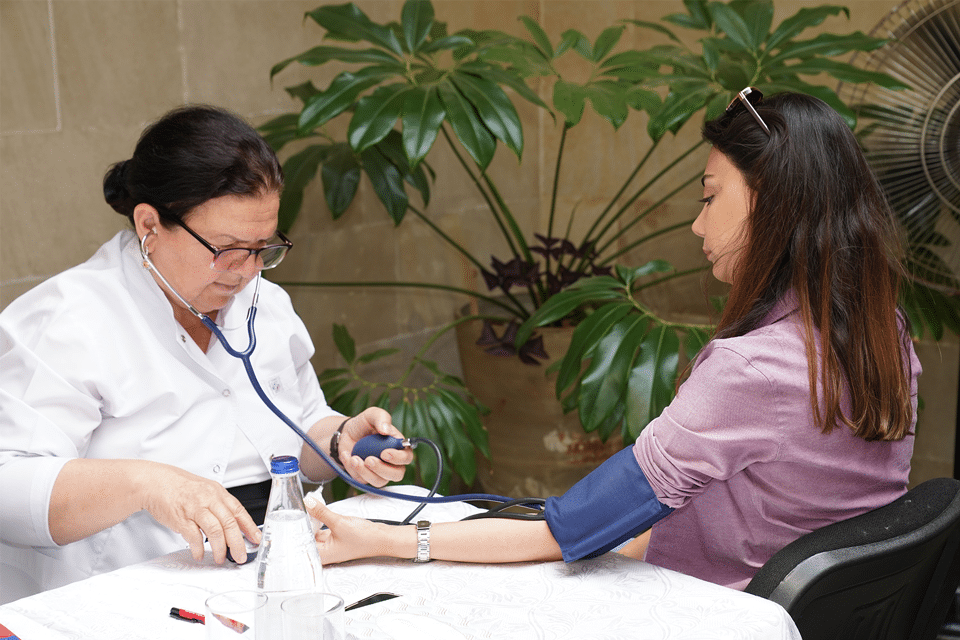
Begin by confirming that your blood pressure is being measured correctly. Use a validated upper-arm monitor with a cuff that fits your arm. Wrist and finger devices are generally more sensitive to positioning and may be less reliable.
For five to seven days, take two readings in the morning and two in the evening, around one minute apart. Sit quietly for five minutes beforehand, keep your back supported, place both feet flat on the floor and rest your arm at heart level.
Avoid smoking, exercise and caffeine for at least 30 minutes before measuring. Record every result rather than excluding readings you do not like. Your average is more useful than one unusually high or low number.
Book a GP appointment if your readings are repeatedly elevated, particularly if you have diabetes, kidney disease, high cholesterol or a history of cardiovascular disease. Lifestyle changes are valuable, but they do not replace medical assessment.
Week one: remove the biggest sources of sodium
The first seven days should focus on reducing sodium. Around 50-60% of individuals with high blood pressure are referred to as sodium responders. This means that salt causes the body to retain fluid, which can increase the volume of blood moving through the arteries and raise blood pressure.
You cannot discover if you are a sodium responder until you reduce it in your diet.
Most sodium in the Australian diet comes from processed and packaged foods rather than salt added at the table. Bread, processed meats, takeaway meals, sauces, instant noodles, savoury snacks and ready-made meals can contribute significant amounts.
Start by replacing processed meat with fish, eggs, legumes, tofu or lean unprocessed meat. Compare sodium on food labels and choose a reduced salt option within the same category. Drain and rinse canned beans, select no-added-salt vegetables where available and reduce salty sauces.
Cook with garlic, lemon, pepper, chilli, vinegar, herbs and spices so that food remains enjoyable. If you are worried about flavour, do not stress; your taste buds respond quickly to reductions in salt. Many people notice their taste buds adjust in less than two weeks
During the first week, also increase vegetables and fruit. These foods provide potassium, which helps regulate fluid balance and supports the removal of sodium through the kidneys. People with kidney disease or those taking certain medicines should speak with their doctor before using potassium supplements or potassium-based salt substitutes.
Week two: build a blood-pressure-friendly eating pattern
Once the obvious sources of sodium have been reduced, focus on the overall structure of your meals.
A DASH-style or Mediterranean-style pattern provides a strong foundation. Build meals around vegetables, fruit, legumes, wholegrains, nuts, seeds, fish, lean proteins and unsaturated fats such as extra virgin olive oil.
At lunch and dinner, aim to make vegetables the largest part of the plate. Add a lean serving of meat or plant protein and a quarter of the plate portion of high-fibre carbohydrate such as beans, lentils, barley, oats, brown rice or wholegrain bread.
Eating meals this way provides fibre, potassium and other key nutrients involved in blood pressure regulation. As a bonus, it can alsoalso support cholesterol, blood glucose and appetite.
Reducing highly processed food does not require preparing every ingredient from scratch. Frozen vegetables, canned legumes, plain yoghurt, canned fish, microwave brown rice and unsalted nuts can make heart-healthy meals more convenient.
If excess weight is contributing to your blood pressure, avoid extreme restriction. Begin by adjusting portions, reducing liquid kilojoules and replacing energy-dense snacks with fruit, yoghurt or a small handful of nuts. Even modest and sustained weight loss can improve blood pressure.
Week three: increase movement without overdoing it
Regular movement helps the heart pump more efficiently and improves blood vessel function. It can also support weight management, insulin sensitivity, sleep and stress regulation.
During the third week, work towards 30 minutes of moderate activity on most days. Brisk walking is often the easiest place to begin. You should be able to speak in short sentences but feel that you are making an effort.
If 30 continuous minutes feels unrealistic, complete three 10-minute walks. A short walk after breakfast, lunch or dinner can be easier to maintain than one longer workout.
Add two strength sessions during the week using resistance bands, light weights, machines or bodyweight movements. Avoid holding your breath while lifting, as straining can temporarily increase blood pressure. Exhale during the most difficult part of each movement.
Inactive people, or those who have very high readings or experience chest discomfort, fainting, unusual breathlessness, or palpitations, should seek medical guidance before beginning strenuous exercise.
Continue taking home readings, but do not measure immediately after exercise. Allow your body time to return to its resting state.
Week four: address alcohol, sleep and stress
The final week brings together factors that are often overlooked.
Alcohol can raise blood pressure, disrupt sleep, and make weight management more difficult. For 30 days, consider avoiding it completely or reducing both the number of drinking days and the amount consumed. This can help show whether alcohol has been influencing your readings.
Sleep should also become a priority. Aim for a consistent schedule and approximately seven to nine hours each night. Reduce caffeine later in the day, keep the bedroom dark and limit screens close to bedtime.
Loud snoring, gasping during sleep, morning headaches and severe daytime fatigue may indicate obstructive sleep apnoea. Sleep apnoea can make high blood pressure harder to control, even with treatment, so it is important to have it properly assessed.
Stress can cause temporary spikes through the release of adrenaline, cortisol and other stress hormones. It can also affect food choices, sleep, alcohol intake and medication consistency.
Set aside five to ten minutes once or twice a day for slow breathing. Breathe gently through the nose, allow the abdomen to expand, and make the exhalation slightly longer than the inhalation. Walking outdoors, being present in the moment, and regular breaks can also help the nervous system recover.
Stress management should not be presented as the sole solution to hypertension. It works best alongside changes to diet, exercise, sleep and appropriate medical treatment.
Review your readings at the end of 30 days
At the end of the month, calculate the average of your recent home readings and compare it with your starting average. Also review changes in waist measurement, activity, alcohol intake, sleep and sodium consumption.
Some people may see a meaningful reduction within 30 days. Others may notice only a small change, particularly when hypertension is strongly influenced by genetics, age, kidney disease, sleep apnoea or another medical condition.
A lack of improvement does not mean the month was wasted. Your records can help your doctor determine whether medication needs to be started or adjusted and whether further investigation is needed.
Continue taking prescribed medication throughout the plan. Never reduce or stop blood pressure tablets because one week of readings looks better. Medication changes must be supervised, as suddenly stopping some treatments can cause blood pressure to rise sharply.
Know when blood pressure needs urgent care
A reading of 180/120 mmHg or higher requires prompt attention. Sit quietly and repeat the measurement after several minutes.
Call Triple Zero (000) immediately when a very high reading occurs with chest pain, severe breathlessness, weakness, confusion, fainting, vision changes or a sudden severe headache.
High blood pressure usually causes no symptoms, so feeling well does not mean a very high reading is safe. Contact a health professional promptly for repeated readings in this range even when emergency symptoms are absent.
Make the next 30 days easier than the first
A 30-day plan can create momentum, but blood pressure management is a long-term process. The goal is to keep the changes that produced the greatest benefit rather than returning to the routine that contributed to the original readings.
Heart Smart Australia helps you understand how blood pressure relates to cholesterol, blood sugar, waist circumference, sleep and your overall cardiovascular risk. Through structured support from Accredited Practising Dietitians and health coaches, our program turns these health markers into practical changes across nutrition, movement and daily routines, while complementing your existing medical care.
If your readings are increasing or you are unsure which changes should come first, structured support can make the process clearer. Enrol in the Heart Smart Australia health coaching program to build a sustainable plan for improving blood pressure and protecting your long-term
How we reviewed this article:
- Sources
- History
Heart Smart Australia utilises a variety of credible and reliable sources to support and provide valuable insights into the topic being discussed. From academic journals to government reports, each reference has been carefully selected to add depth and richness of our articles.
Our team actively monitors health and wellness advancements, keeping our articles up-to-date with the latest information as it becomes available.