Ways to Lower Blood Sugar Levels

Navigating the complexities of blood sugar management is a pivotal aspect of living with diabetes. With the condition affecting millions globally, understanding and controlling blood sugar levels is a shared challenge. This article aims to shed light on effective strategies to maintain healthy glucose readings, a foundation for diabetic health.
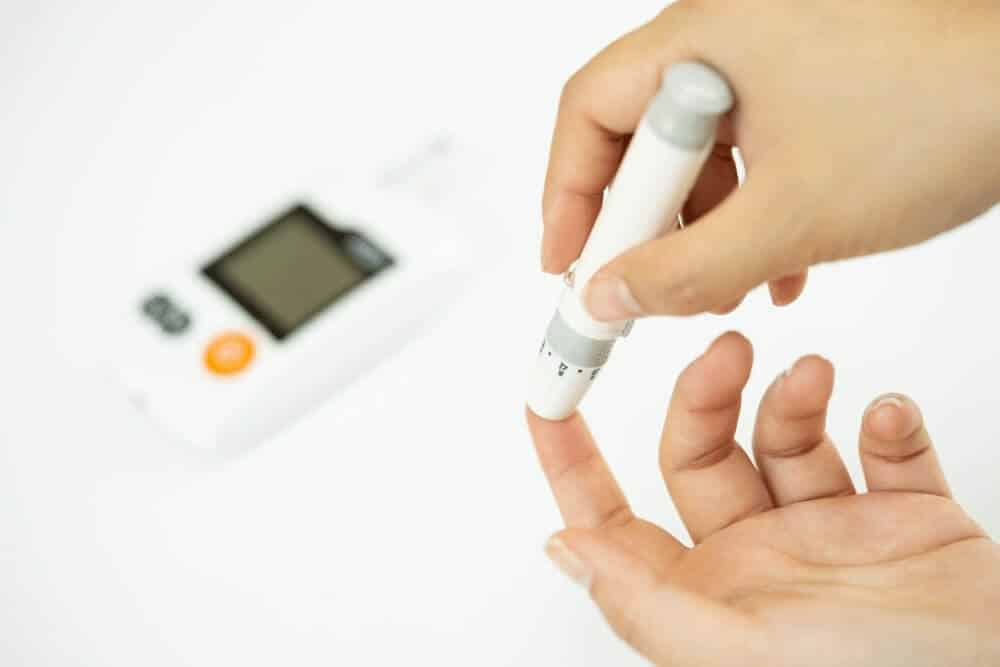
Understanding Diabetes and Blood Sugar Levels
Diabetes groups together two different, yet serious health conditions; type 1 and type 2 diabetes. For people living with diabetes, their body is unable to maintain a healthy balance of sugar in the bloodstream. Blood sugar, or glucose, is the main sugar found in your blood. It originates from the food you consume, specifically carbohydrate containing foods, and serves as a crucial and preferential energy source for the body. For individuals living with diabetes, “what should your blood sugar levels be” is more than a query—it’s a daily concern. Keeping these levels within a target range is vital to minimise the risk of complications such as neuropathy, nephropathy, and retinopathy (1).
What Should Blood Sugar Levels be?
Depending on your health status, blood sugar targets will vary from person to person. For people without diabetes, their blood sugars should vary throughout the day and have a healthy range of 4.0-7.8 mmols/L. For people living with diabetes, targets may vary based on targets set by your GP or specialist. However, these are some general guidelines and blood sugar targets to aim for:
Type 1:
Before meals: 4.0 – 6.0 mmol/L
2 hours after starting meals: 4.0 – 8.0 mmol/L
Type 2:
Before meals: 4.0 – 7.0 mmol/L
2 hours after starting meals: 5.0 – 10.0 mmol/L (2)
When it comes to keeping blood sugars controlled, the first aspect of lifestyle modification that has a significant impact is dietary intake.
Dietary changes to Lower Blood Sugar Levels
The good news is that there are a number of dietary changes you can adopt to keep your blood sugars floating in between a healthy range. To manage these levels effectively, people living with diabetes must adopt a multifaceted approach. Knowing how to lower blood sugars with diet and keep them low isn’t just about cutting out sugar or carbs. It involves integrating some of our recommendations that follow:
Lifestyle Modifications
Medical Interventions
While lifestyle and dietary adjustments are foundational, medication may be necessary for some individuals living with diabetes. Always consult with your General Practitioner of specialist to determine the best course of action for your needs.
Conclusion
Managing blood sugar is a delicate balance, but with the right knowledge and tools, it’s an achievable goal. By incorporating these strategies into your routine, you can take control of your diabetes and lead a healthier life.
How we reviewed this article:
- Sources
- History
Heart Smart Australia utilises a variety of credible and reliable sources to support and provide valuable insights into the topic being discussed. From academic journals to government reports, each reference has been carefully selected to add depth and richness of our articles.
- (1) CDC | (2019). Prevent Complications. Centers for Disease Control and Prevention
- (2) Diabetes Australia | Blood Glucose Level Range
- (3) CDC | (2022, September 30). Blood Sugar and Diabetes
- (4) Diabetes Australia | "Three tips to stay hydrated with diabetes."
- (5) Glycemic Index Foundation | “GI and Diabetes”
- (6) CDC | Fiber Foods. (2022, June 20). Centers for Disease Control and Prevention
- (7) Journal of New England | "Physical Activity/Exercise and Diabetes: A Position Statement of the American Diabetes Association."
- (8) Samy AL, Hairi NN, Low WY. | Psychosocial stress, sleep deprivation, and its impact on type II diabetes mellitus: Policies, guidelines, and initiatives from Malaysia. FASEB Bioadv. 2021 May 22;3(8):593-600. doi: 10.1096/fba.2020-00115. PMID: 34377955; PMCID: PMC8332468
Our team actively monitors health and wellness advancements, keeping our articles up-to-date with the latest information as it becomes available.